
All reviews
17 productswe've bought, tested and scored by hand.

Ippodo Tea
Ippodo Tea (Kyoto Matcha & Green Tea)
A family-run Kyoto tea house that has been blending green tea since 1717, now shipping matcha, gyokuro and sencha that make most Western 'ceremonial grade' labels look like guesswork. The reference point for Japanese tea bought online — provided you buy small and drink it fresh.

Bigelow Tea
Bigelow Tea
Family tea blenders since 1945, still family-owned, and a certified B Corp — the supermarket teabag done about as well as the format allows. Buy it as reliable daily tea; read the wellness blends as flavours, not medicine.

Summer Moon Coffee
Summer Moon Oak-Roasted Coffee
Texas roaster firing beans over open oak flame in a brick roaster — a genuinely different process that produces a genuinely different cup. Distinctive enough to order again, distinctive enough that some light-roast drinkers will bounce off it. Try before you subscribe.
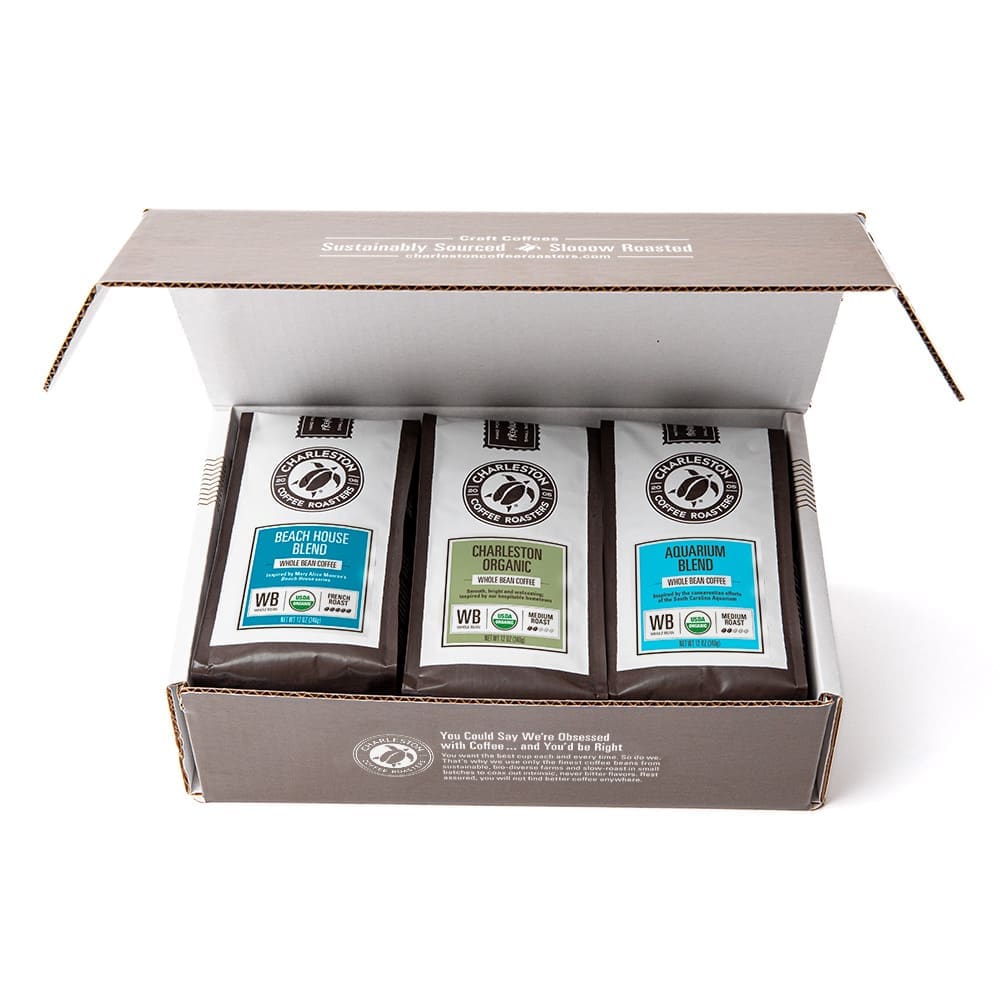
Charleston Coffee Roasters
Charleston Coffee Roasters
A South Carolina small-batch roaster built around slow roasting — a deliberate, low-drama approach that produces smooth, even cups across a sensible range of blends, single origins and organics. The regional roaster you settle into rather than get excited about.

Better Buzz Coffee
Better Buzz Coffee (Beans & Pods)
A San Diego cafe chain, small-batch roasting since 2002, whose beans let fans take the shop home. Solid coffee with real roasting credentials — but the magic of this brand lives in its drinks menu, and a bag of beans doesn't ship the atmosphere.
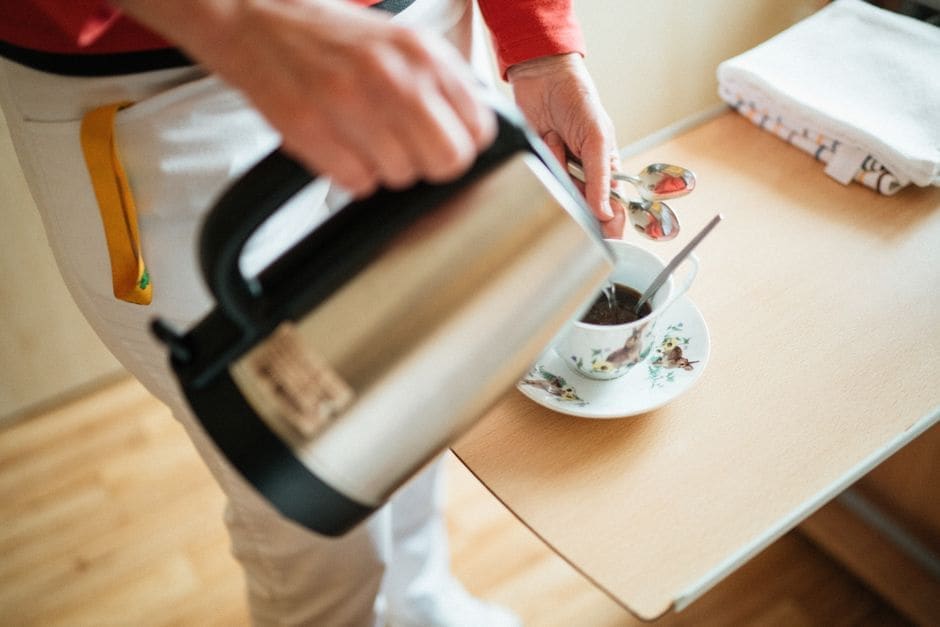
Variable-Temperature Kettles: Who Actually Needs One
If green tea, delicate coffee or pour-over is part of your routine, temperature control is the upgrade that fixes cups you didn't know were broken. If your kettle exists to make black tea and instant noodles, keep the one you have.
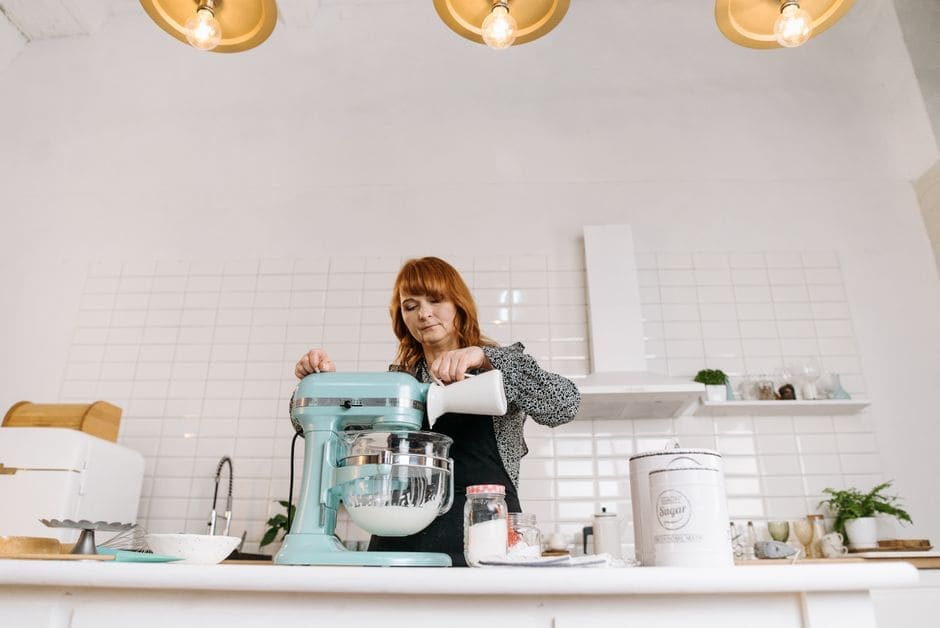
Stand Mixer vs Hand Mixer: The Right Question First
The stand mixer is a wonderful machine that most kitchens bought for the wrong reason. Decide based on dough: if you knead bread regularly, buy the stand. If you whip, cream and fold, a good hand mixer does the job for a fraction of the money and none of the counter tax.
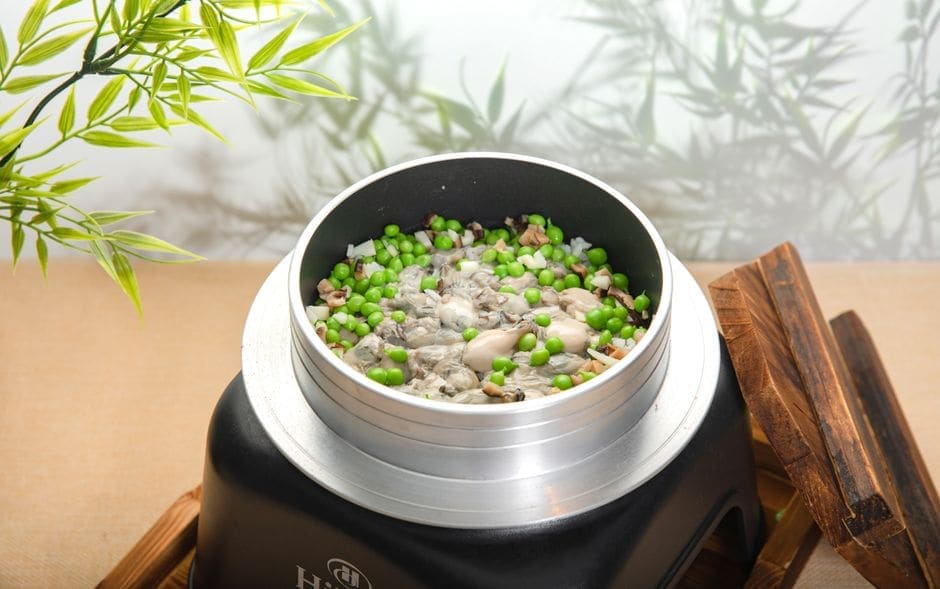
Rice Cookers: The Appliance Whole Cuisines Trust
Entire rice-eating cultures gave this machine permanent counter space generations ago, and they were right. If rice appears on your table more than occasionally, a rice cooker delivers perfect, unattended, kept-warm rice — and frees a burner and your attention every single time.
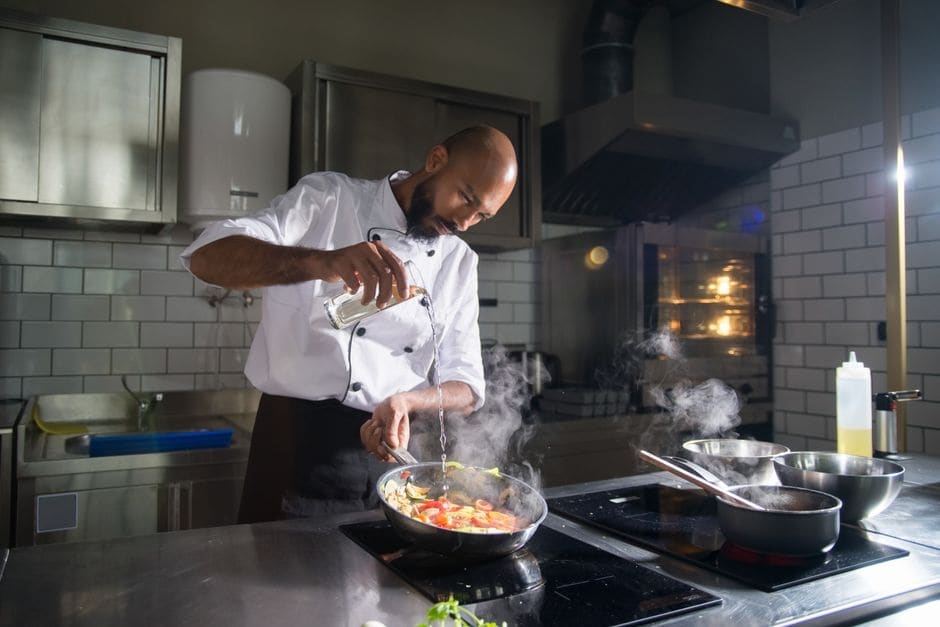
Sous Vide at Home: Precision, With Caveats
The water bath delivers something no pan can: exact doneness, edge to edge, every time, on your schedule. What the marketing skips is that it's a two-stage method with real friction — and that its greatest gift is to cheap cuts and meal preppers, not weeknight dinners.
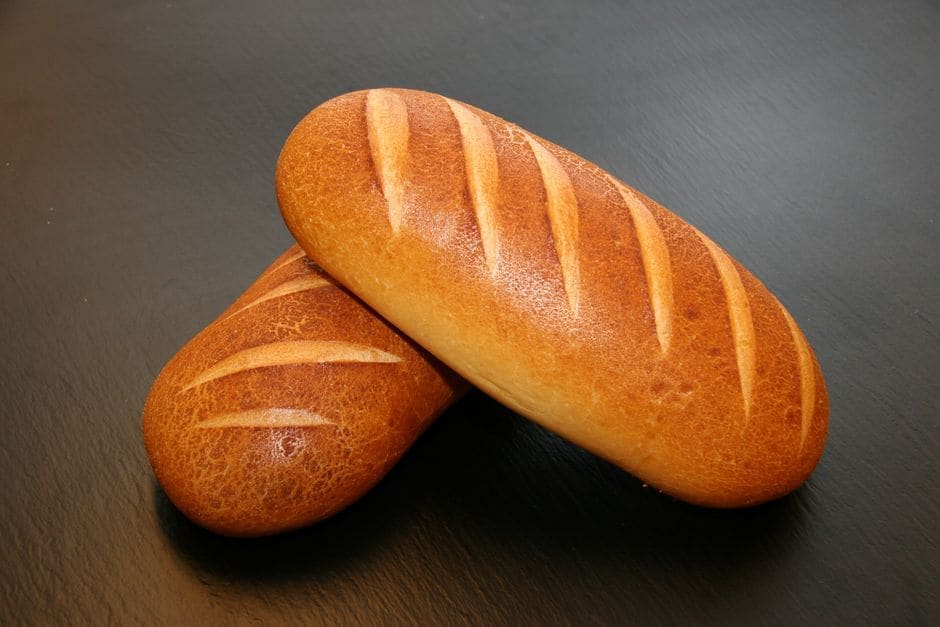
Bread Machines: Unfashionable, Not Useless
The bread machine makes real bread with almost no effort, and the food world has never forgiven it for either half of that sentence. The loaves have limits — the shape, the crust — but as a dough-kneading, schedule-keeping workhorse it deserves more respect than it gets.
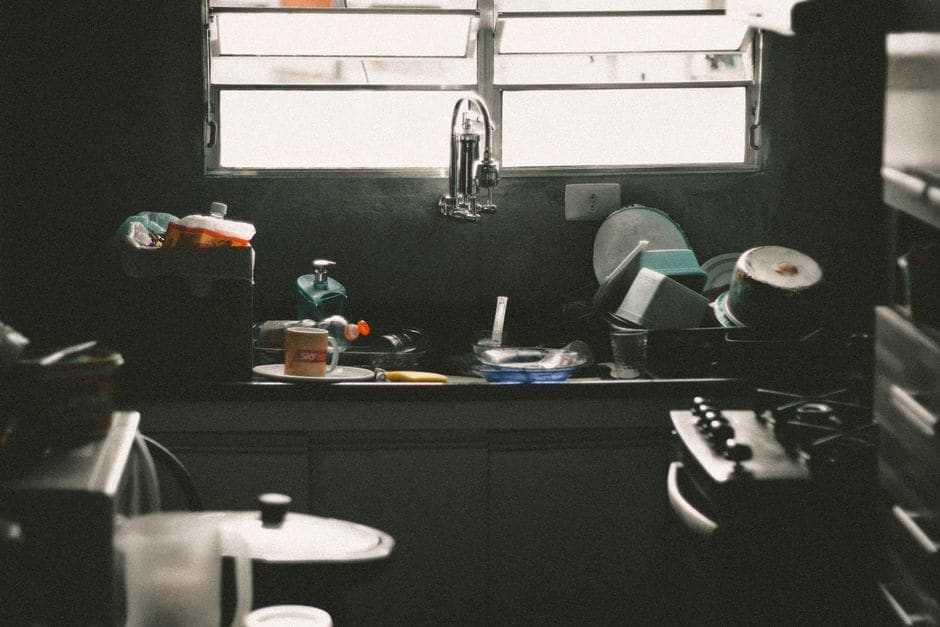
Single-Use Kitchen Gadgets: The Drawer of Regret
The avocado slicer, the strawberry huller, the banana keeper, the egg cuber — each solves a problem a knife already solved, then bills you again in drawer space forever. A tiny handful of single-taskers earn their keep. The rest are impulse purchases wearing aprons.
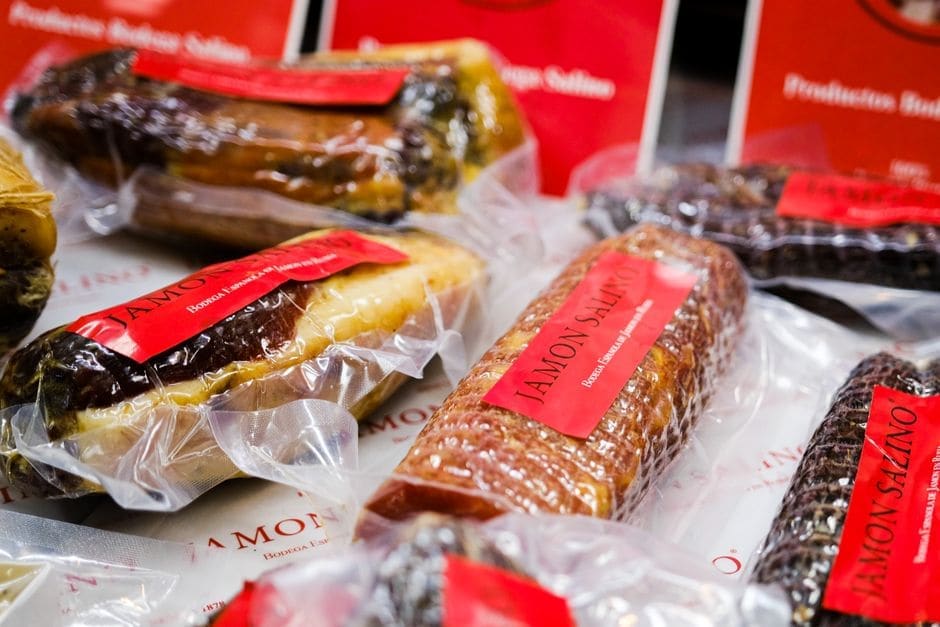
Vacuum Sealers: A Tool With a Specific Owner
For bulk buyers, hunters, batch cooks and sous vide households, a vacuum sealer pays for itself in rescued freezer food. For everyone else it's a bulky machine with an ongoing bag habit, solving a problem that wrap and good containers mostly solve for free.
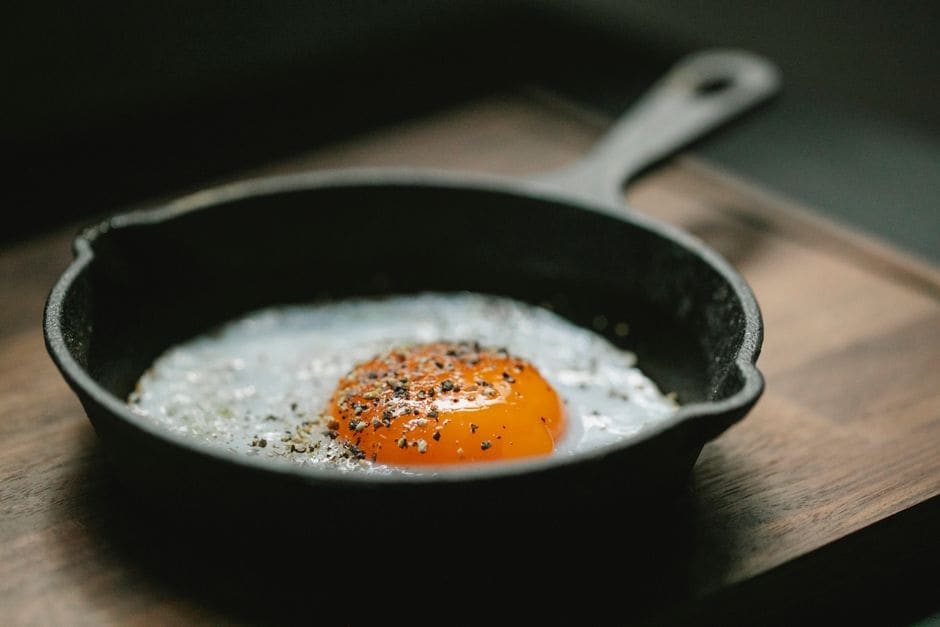
Cast Iron Care: Most of What You've Heard Is Myth
Cast iron is nearly indestructible, improves with use, and costs little — yet half of all pans sit unused because their owners were taught a maintenance religion instead of two simple habits. Dry it, oil it lightly, cook in it often. That's the whole liturgy.
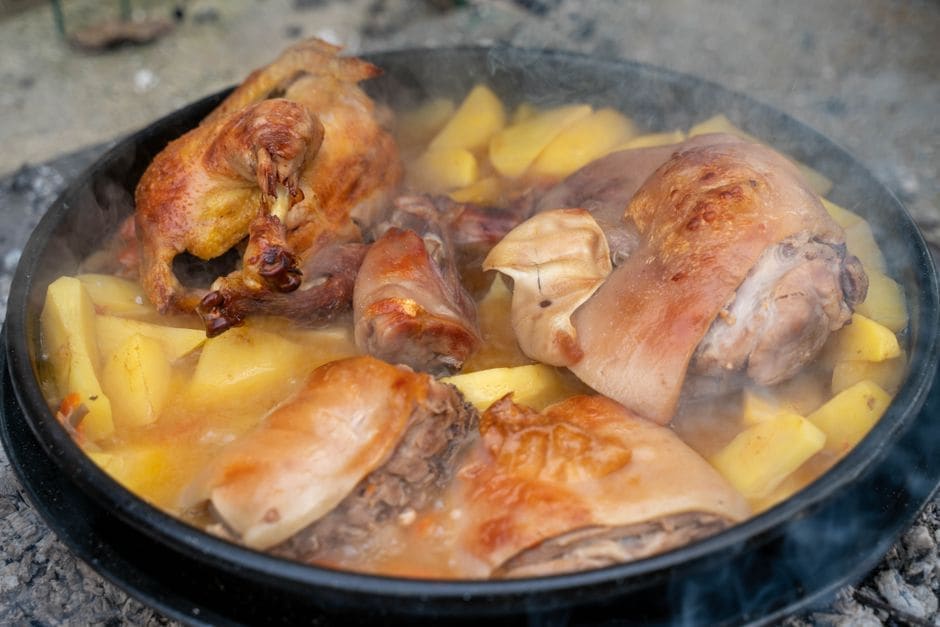
The Enameled Dutch Oven: One Pot to Rule the Winter
Braises, stews, soups, no-knead bread and an entire genre of Sunday cooking, all from one heavy pot that never needs seasoning and cleans like a plate. The famous names are lovely; the pot's physics come from its weight and lid, which humbler brands also sell.
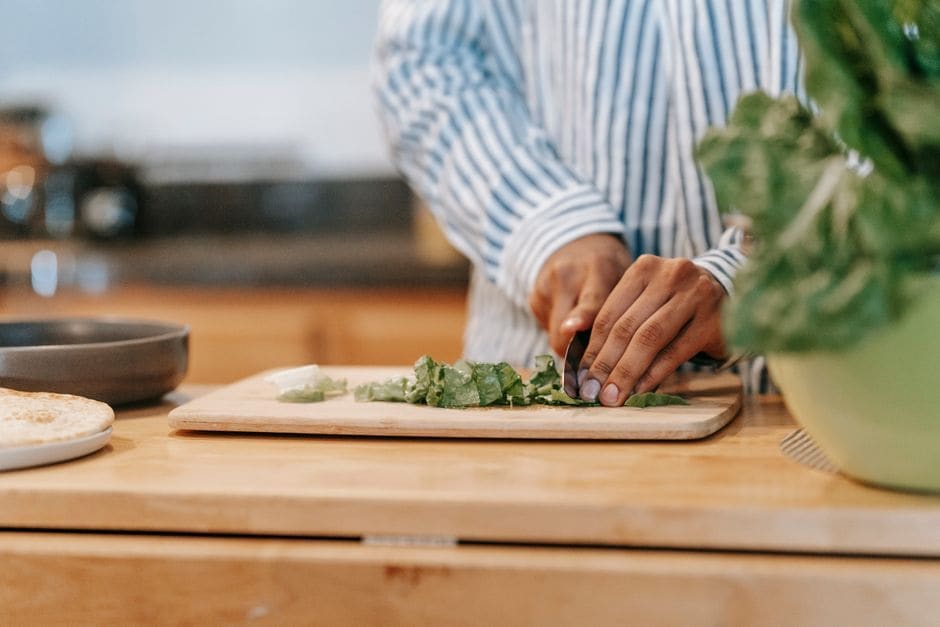
Wood vs Plastic Cutting Boards: The Debate, Settled Sensibly
Wood is kinder to knife edges, ages gracefully and covers most kitchen work; plastic earns its place for raw meat duty because it survives the dishwasher — until it's deeply scarred, at which point it's worse than the wood it replaced. Most kitchens should run both.
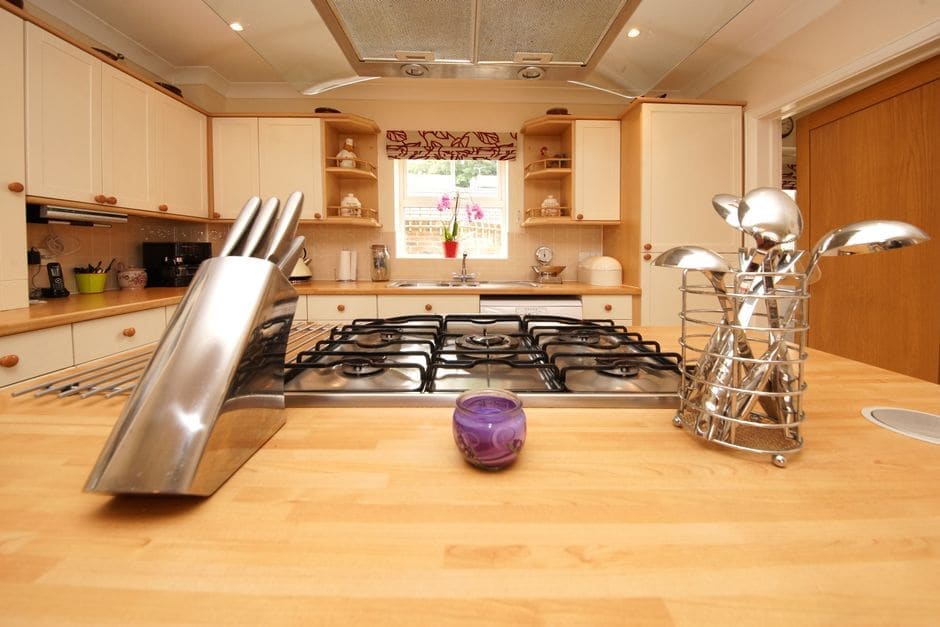
Knife Blocks vs Magnetic Strips: Where Should Knives Live?
The knife block is a counter-hogging default that hides your knives and their condition; the magnetic strip stores edges safely, visibly, and takes no counter at all — if you have the wall and hang it properly. In-drawer organisers are the quiet third option nobody advertises.
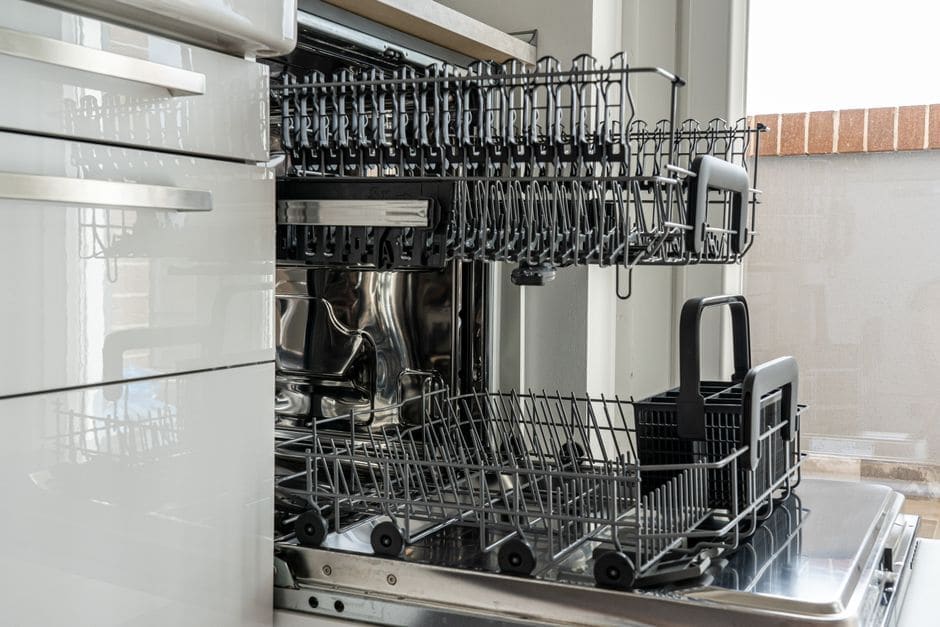
'Dishwasher Safe': What the Label Actually Promises
'Dishwasher safe' mostly means 'will survive the machine', not 'will be unchanged by it' — and no independent body checks the claim. The machine is brilliant for plates and brutal on knives, wood, nonstick and anything that seals. Learn the short exceptions list and believe it over the label.