'Dishwasher Safe': What the Label Actually Promises review
'Dishwasher safe' mostly means 'will survive the machine', not 'will be unchanged by it' — and no independent body checks the claim. The machine is brilliant for plates and brutal on knives, wood, nonstick and anything that seals. Learn the short exceptions list and believe it over the label.
What we like
- For everyday plates, glasses and cutlery the machine is genuinely superior cleaning
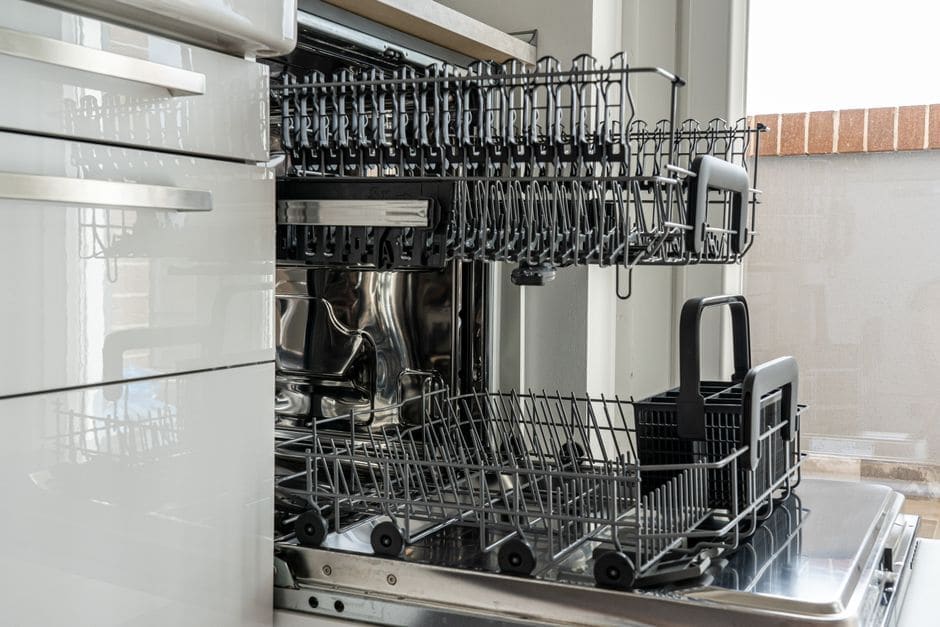
- Top-rack guidance, where given, is meaningful — heat is fiercest at the bottom
- High-heat washing is real sanitising for boards and containers that tolerate it
Flaws but not dealbreakers
- The phrase is a manufacturer's claim with no standard behind it
- Hot water plus harsh detergent plus time degrades wood, edges, coatings and seals
- 'Survives' and 'stays nice' are different promises; the label means the first
- The items most tempting to throw in — good knives, wooden boards, nonstick — are the worst candidates
Somewhere between the factory and your kitchen, 'dishwasher safe' came to be read as a guarantee. It's worth knowing what it actually is: a claim by the manufacturer, tested to whatever standard the manufacturer chose, policed by nobody. The words on the box mean the maker doesn't expect the item to fail in the machine — which is a narrower promise than it sounds.
The dishwasher is a harsh environment by design: water far hotter than hands tolerate, detergents far more aggressive than washing-up liquid, and a long humid cycle, repeated hundreds of times over an item's life. Sturdy ceramics, glass and steel cutlery genuinely don't care — that's what the machine is for, and hand-washing plates in the age of the dishwasher is nostalgia. But the same conditions are cumulative sandpaper for everything else: wooden boards and spoons dry out and crack, knife edges dull against baskets and suffer in the heat, nonstick coatings age visibly faster, and the gaskets in insulated bottles and pressure-cooker lids quietly give up their seal. 'Dishwasher safe' on many of these items means 'will not obviously break' — the slow decline is your problem.
See where this lands against the field in Knife Blocks vs Magnetic Strips: Where Should Knives Live?.
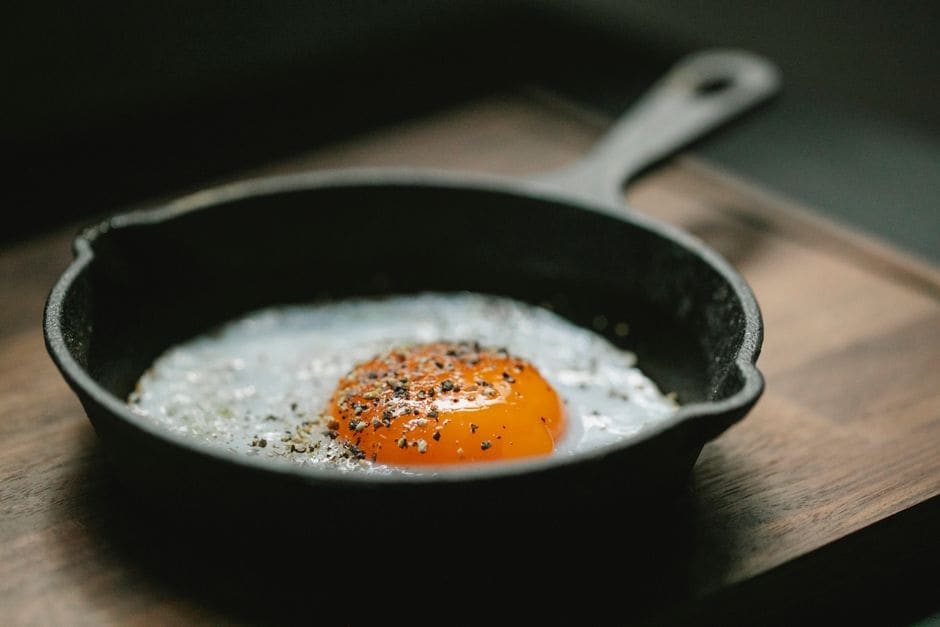
The practical decoder is short. Anything wooden, anything with a good edge, anything coated, and anything whose job depends on a seal: hand wash, regardless of the label. Cast iron never goes in. Plastics marked top-rack mean it — the heat source lives at the bottom. Everything else, machine away with a clear conscience.
Where this leaves the label: read it as the floor of what an item tolerates, not a housekeeping instruction. The manufacturer is telling you what they'll stand behind, once. Your dishes have to survive every week after that.
Key specs
- Category
- The label, decoded
- Hand-wash list
- Good knives, wood anything, nonstick, cast iron, insulated bottles
- Machine-happy list
- Plates, glasses, cutlery, sturdy plastics marked top-rack