Wood vs Plastic Cutting Boards: The Debate, Settled Sensibly review
Wood is kinder to knife edges, ages gracefully and covers most kitchen work; plastic earns its place for raw meat duty because it survives the dishwasher — until it's deeply scarred, at which point it's worse than the wood it replaced. Most kitchens should run both.
What we like
- Wood boards are gentle on edges and last decades with basic oiling
- A heavy board that doesn't skate around is a genuine safety upgrade
- Plastic's dishwasher tolerance makes raw-meat cleanup unambiguous
- The two-board system is cheap, simple and ends the debate
Flaws but not dealbreakers
- Wood asks for hand washing and occasional oil — neglect leads to cracking
- Deeply scarred plastic harbours residue and stops being the hygienic option
- Glass and stone boards ruin knife edges and belong nowhere near one
- Thin flimsy boards of any material slide, warp and get replaced yearly
The cutting board argument has run for decades on a false premise: that one material must win. Wood partisans cite edge-friendliness and longevity, plastic partisans cite the dishwasher, and both sides are right about their half of the kitchen's actual workload.
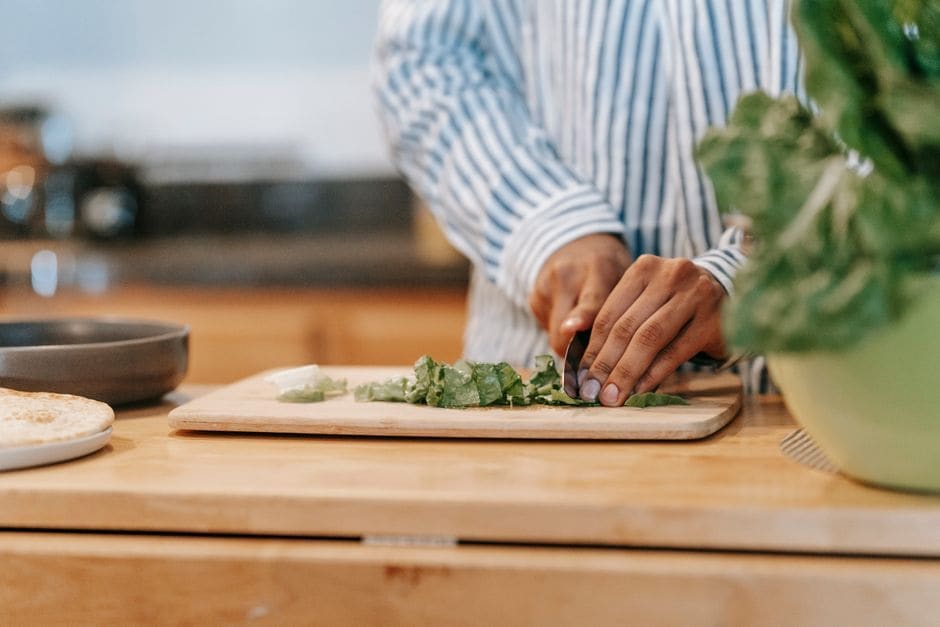
For everyday work — vegetables, bread, herbs, cheese, the great majority of what a board sees — wood is simply the better tool. It's gentler on a knife's edge than hard plastic, a properly heavy board plants itself on the counter instead of skating, and the surface has a give that makes long prep sessions pleasanter. The costs are a hand-wash habit and an occasional coat of board oil; skip both for long enough and the board dries, warps and cracks, which is less a design flaw than a divorce on grounds of neglect.
If you're still choosing, start with Knife Blocks vs Magnetic Strips: Where Should Knives Live? and come back.
Plastic's claim rests on one scenario: raw meat and poultry, where the ability to run the board through a dishwasher's heat makes cleanup unambiguous and appeals to a very reasonable instinct. The caveat the category hides is that plastic's hygiene advantage has an expiry — once the surface is a relief map of knife scars, those grooves hold onto residue through casual washing, and the 'safe' board quietly becomes the questionable one. Scarred plastic is a consumable at end-of-life: cheap to replace, and meant to be.
So run both, and let each do what it's for: a serious wood board as the daily workhorse, oiled a few times a year, and a plastic board that handles raw proteins and lives in the dishwasher, replaced without sentiment once it's grooved. And whatever happens, decline the glass board — usually a gift, always gorgeous, and the single fastest way to blunt every knife you own.
Key specs
- Category
- Cutting boards — wood, plastic, and the ones to avoid
- Sensible setup
- One serious wood board, one dishwasher-bound plastic for raw meat
- Retire plastic when
- The surface is deeply grooved