Cast Iron Care: Most of What You've Heard Is Myth review
Cast iron is nearly indestructible, improves with use, and costs little — yet half of all pans sit unused because their owners were taught a maintenance religion instead of two simple habits. Dry it, oil it lightly, cook in it often. That's the whole liturgy.
What we like
- Effectively immortal — abused pans restore with sandpaper-and-oil effort, not money
- Superb heat retention for searing, frying and cornbread alike
- Seasoning improves with ordinary use; the pan rewards being cooked in
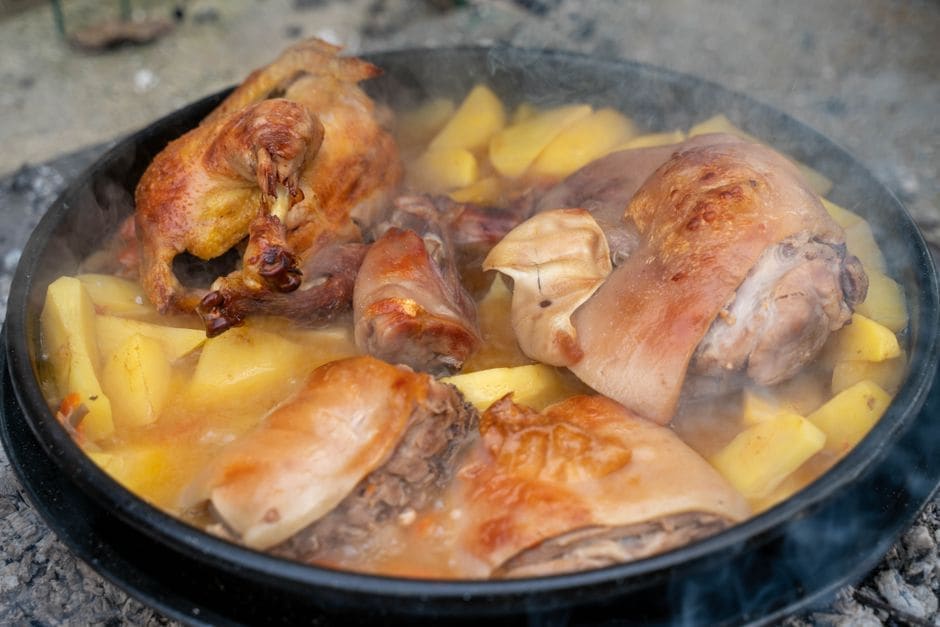
- Goes from stovetop to oven to campfire without complaint
Flaws but not dealbreakers
- Heavy — genuinely limiting for some wrists, and worth taking seriously
- Slow to heat and slow to respond; not a pan for reactive cooking
- Real (small) rules do exist: dry it promptly, keep long acidic simmers elsewhere
- The folklore around it scares off the people it would suit best
No piece of cookware carries more folklore than the cast iron skillet. Never use soap. Never touch tomatoes. Season it seven times with flaxseed oil under a full moon. The mythology is so thick that plenty of people either avoid the pan entirely or treat it with a reverence that keeps it in the cupboard — which is the one place cast iron actually deteriorates. Untangling the folklore matters because underneath it sits arguably the best value in cookware — if the owner can be talked down from treating it like a relic.
Start with the soap commandment, because it's the most repeated and the most obsolete. The fear dates from an era when dish soap contained lye-heavy compounds that genuinely attacked seasoning. Modern washing-up liquid is a gentle detergent, and seasoning is not a film of loose oil but polymerised fat bonded to the metal — hardened, plasticky, and entirely capable of surviving a normal wash. Soap the pan. What kills seasoning is abrasion and neglect, not bubbles. If the pan smells of last night's fish, wash it like you mean it; a seasoning that cannot survive a sink was never seasoning worth keeping.
We ran the same rubric across the category in Knife Blocks vs Magnetic Strips: Where Should Knives Live? if you want the comparison.
The tomato rule earns a demotion rather than a repeal. A long-simmered acidic sauce in a young, thinly seasoned pan will strip patina and lend the food a metallic edge — that part is real. But deglazing with wine, a squeeze of lemon, a quick tomato-touched dish in a well-seasoned skillet: none of this is an event. Acid is a factor to manage, not a curse to fear, and a mature pan shrugs off contact that folklore says should ruin it. The working rule of thumb: the younger the pan, the more polite you are with acid; the blacker and glassier the surface gets, the less it cares.
The actual care routine is almost disappointingly small. Wash it, dry it promptly and fully — heat it on the burner for a minute if you like — and wipe in a whisper of oil before it's put away. Rust, the pan's only real enemy, needs standing water and time; deny it both and the pan is effectively immortal. And should the worst happen, a rusty flea-market wreck restores to service with scouring, elbow grease and re-seasoning, which is precisely why the things get inherited rather than replaced. It's also why the cheapest skillet on the shelf is a legitimate buy: the pan's performance comes from mass and seasoning, and both are things the owner supplies.
The myths worth keeping are the ones about patience: cast iron heats slowly, holds heat magnificently, and rewards the cook who preheats properly and doesn't chase the dial. Respect the weight — it is a genuine accessibility limit, not a character flaw in the owner — and let the pan do what it has done for generations: sear hard, bake evenly, and outlive every coated pan in the house by decades. Cook in it often. That's the secret the folklore buries.
Key specs
- Category
- Bare cast iron skillets and pans
- Actual care
- Dry after washing, wipe with a trace of oil, use often
- Biggest enemy
- Not soap — sitting wet, and sitting unused