Rice Cookers: The Appliance Whole Cuisines Trust review: best tenant
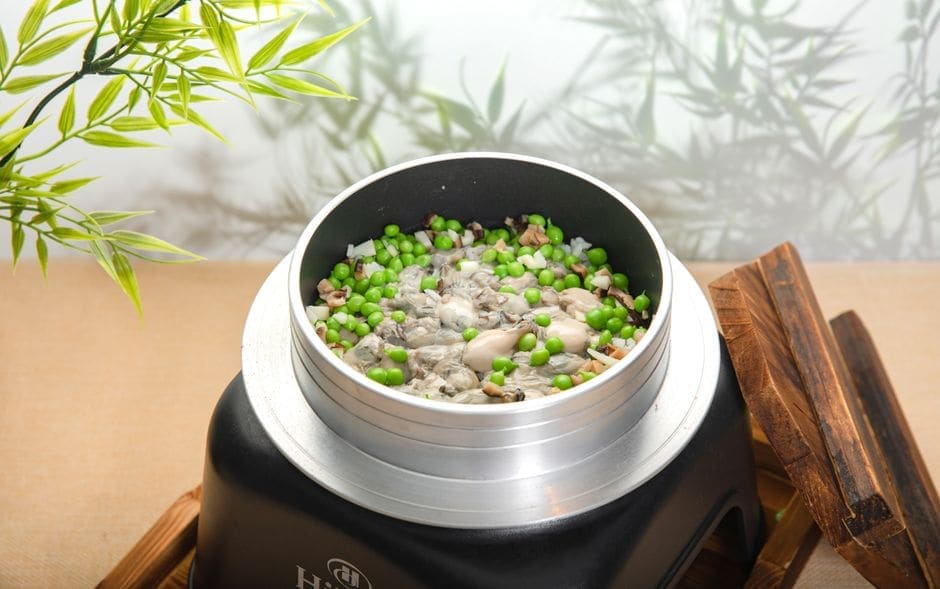
Entire rice-eating cultures gave this machine permanent counter space generations ago, and they were right. If rice appears on your table more than occasionally, a rice cooker delivers perfect, unattended, kept-warm rice — and frees a burner and your attention every single time.
What we like
- Consistently correct rice with zero attention — set it and cook everything else
- Keep-warm holds rice at serving quality while the rest of dinner catches up
- Frees a stove burner, which small kitchens feel immediately
- Basic one-button models are cheap, simple and very hard to break
Flaws but not dealbreakers
- Pointless for households that eat rice a few times a year
- Premium models are a big spend that mostly benefits daily, discerning rice eaters
- One more appliance to store in kitchens already short on cupboard space
- Nonstick pot linings wear over time like all coatings do
There's a decent argument that the rice cooker is the most successful kitchen appliance ever made, judged by the only metric that matters: the people who cook the most rice refuse to live without one. Across East and Southeast Asia the machine is as standard as the stove itself, treated the way laundries treat washing machines — and the stove-top purism you meet in Western food media is largely a hobby of people who eat rice twice a month. That asymmetry, the heaviest users being the most devoted, is the pattern you want to see before buying any appliance, and almost nothing else in the kitchen shows it this strongly.
What the machine actually solves is attention. Stove-top rice is not hard, but it is exacting — the ratio, the heat drop, the timing, the resisted urge to peek — and it claims a burner plus a corner of your mind for the whole run. A rice cooker takes the same ingredients and removes the failure modes: it cooks, it senses doneness, it switches itself to keep-warm, and it holds the rice at serving temperature while the rest of the meal takes as long as it takes. That last feature is quietly the best one; rice that waits patiently changes how you sequence a dinner. It also retires the small dinner-table taxes of mediocre rice — the pot that ran dry, the layer welded to the base, the batch that steamed into pudding — failures that are rare but always scheduled for exactly dinner time.
Worth reading alongside our The Counter Space Budget: Which Appliances Earn Their Keep before you commit.
The buying question is which tier, and the answer maps to how much rice matters in your house. The basic one-button machines are inexpensive, nearly indestructible, and produce rice that embarrasses most stove-top attempts. The premium tier — pressure and induction models with cuisine-specific programs — produces genuinely better texture, and daily rice eaters can taste the difference and will not go back. Occasional rice eaters cannot, and should keep their money. The middle tier mostly buys capacity and cosmetics; the meaningful jump is from stovetop to any machine, and the second meaningful jump is straight to the premium tier, with surprisingly little in between.
The costs are modest but real: cupboard or counter space in kitchens that have none to spare, and a nonstick inner pot that wears on the schedule all coatings share — treat it gently and regard it as a replaceable part rather than a betrayal. Households wary of coatings can seek out the stainless-pot models, trading a little convenience at the sink for peace of mind. Neither cost changes the arithmetic much for a household eating rice several times a week.
The verdict tracks your table. Rice weekly or more: buy one, start basic, upgrade only if you find yourself caring about texture. Rice rarely: a heavy pot and one good technique run are all you need, and the cupboard space is worth more than the convenience. The machine is cheap, patient and correct — qualities that make dull dinner guests and excellent appliances.
Key specs
- Category
- Rice cookers, basic to induction
- Best for
- Anyone cooking rice weekly or more
- The tell
- Cuisines that eat the most rice use pots the least