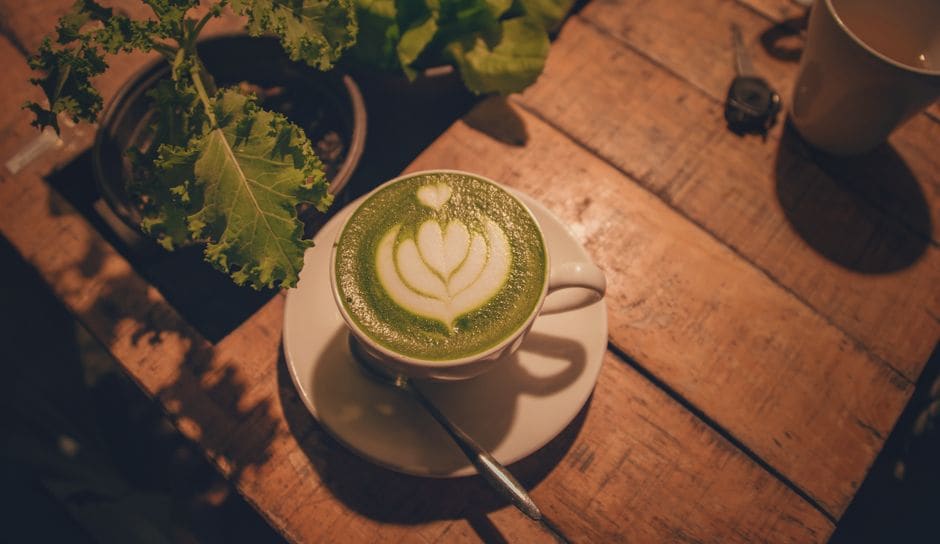
Ippodo Tea (Kyoto Matcha & Green Tea) review: best overall
A family-run Kyoto tea house that has been blending green tea since 1717, now shipping matcha, gyokuro and sencha that make most Western 'ceremonial grade' labels look like guesswork. The reference point for Japanese tea bought online — provided you buy small and drink it fresh.
What we like
- Three centuries of blending behind every tin — the heritage is operational, not decorative
- Matcha range graded clearly, from daily whisking to gift-tier
- Gyokuro, sencha and bancha covered properly, not just the matcha halo product
- Brewing guidance written by people who actually want you to succeed
Flaws but not dealbreakers
- Premium pricing throughout — this is the top of the category
- Matcha fades after opening; buying big tins to save money defeats the product
- Japanese naming takes a little learning before the catalogue makes sense
Matcha has a fraud problem. The word 'ceremonial' on a label means nothing — no body regulates it — and the green powder in most Western supermarkets is culinary-grade dust sold at ceremony prices. The simplest defence against all of it is to buy from a company whose reputation predates the marketing category by centuries.
Ippodo is that company: family-run, based in Kyoto since 1717, selling tea under the same name for longer than most nations have existed. That kind of heritage can be an excuse for coasting, so the useful question is what it looks like in practice. Here it looks like a catalogue where every matcha is graded plainly against the others — this one for daily lattes, this one for whisking straight, this one for gifts — so the buyer always knows what the extra money buys. That clarity is rarer than it should be, and it is the single strongest reason to shop here first. It also explains the restraint elsewhere on the site: no superfood promises, no trend-chasing charcoal lattes — tea, graded, explained.
We ran the same rubric across the category in Taking Tea Seriously From Both Ends: Kyoto Matcha to the Daily Bag if you want the comparison.
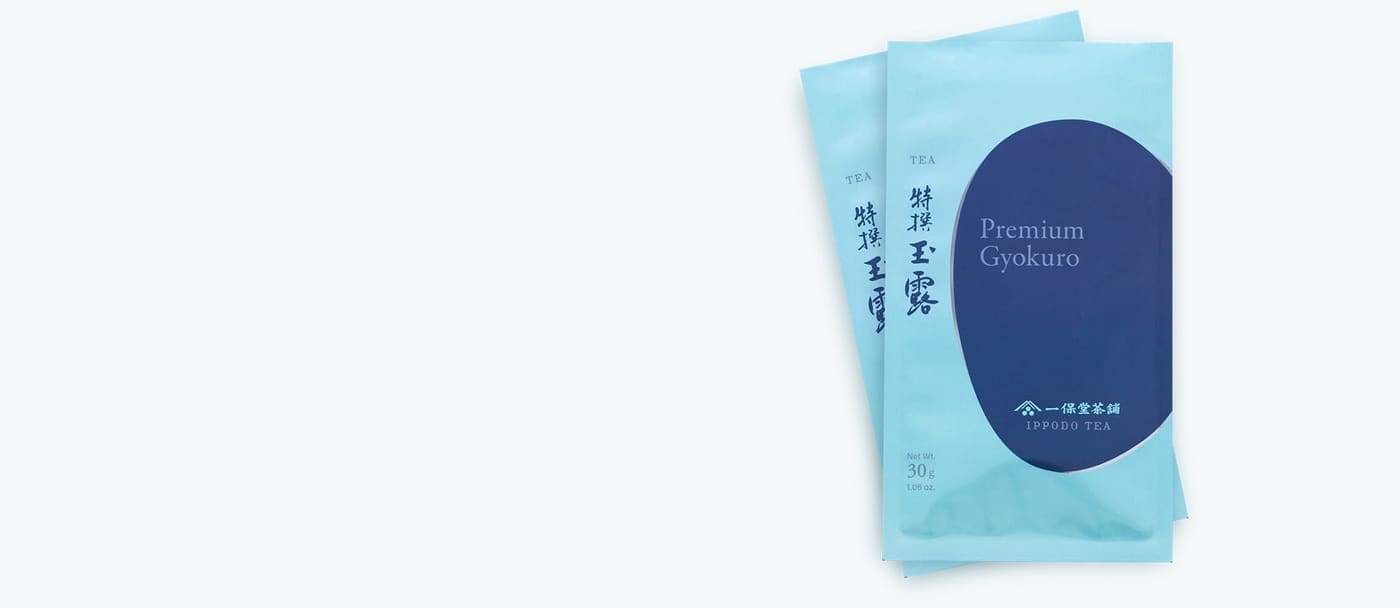
The matcha is the headline, but the leaf teas deserve equal billing. Gyokuro — shade-grown, savoury, closer to broth than to teabag tea — is the style Ippodo handles as well as anyone shipping to Western addresses, and the sencha range covers the everyday middle ground where most Japanese tea drinking actually happens. Bancha and roasted styles fill in the low-caffeine evening slot. The accessories deserve a mention for what they are not: not lifestyle props, but the small functional set — whisk, scoop, sifter, teapot — that the teas genuinely require, sold without ceremony-kit theatrics. A first-timer can assemble a working matcha setup in a single order and skip the decorative rabbit hole entirely.
Two practical warnings keep the experience matching the reputation. First, matcha is closer to fresh produce than to pantry goods: once a tin is open, the vivid colour and sweetness fade steadily, so the right purchase is the small tin you finish, not the large one you store. Storage advice applies doubly in warm kitchens — the tin lives cool, dark and firmly shut, and the whole refrigeration debate can be skipped by simply not buying more than you'll drink. Second, water matters: the brewing guidance on the site is genuinely worth following, because gyokuro made with kettle-fresh boiling water tastes like an expensive mistake.
The catalogue's learning curve is real but short. The names are Japanese, the grades are unfamiliar, and a first-time buyer can feel like they need a glossary. The starter sets and sampler formats are the sensible answer, and the product descriptions do more teaching than most specialist retailers bother with. Give it two orders and the vocabulary stops being an obstacle; give it three and you'll have opinions about particular blends, which is roughly how a tea house keeps customers for three centuries.
Priced like what it is — the top of the category — this is still the recommendation we give without hedging. If you are going to understand what matcha or gyokuro is supposed to taste like, it is worth calibrating your palate on the real thing once; everything you buy afterwards gets judged against it, which is exactly the problem good benchmarks cause. The alternative — working upward through mediocre powder, wondering each time whether the bitterness is the tea or the buyer — costs more in the end and teaches less along the way.
Key specs
- Type
- Japanese green tea — matcha, gyokuro, sencha, bancha
- Heritage
- Family-run, Kyoto, founded 1717
- Range
- Dozens of blends plus brewing accessories